


Turkeys
Turkeys
have
lived
in
North
America
for
thousands
of
years.
American
Indians
raised
turkeys
for
food.
Most
turkeys
today
are
poultry.
But
many
turkeys
still
live
in
the
wild.
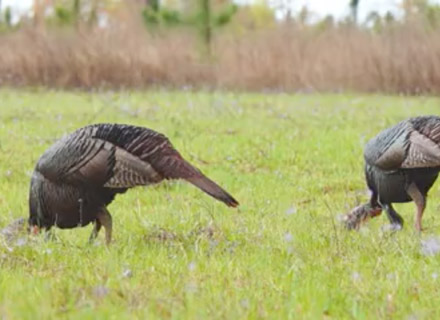
Most
turkeys
have
red,
brown,
or
gray
feathers.
There
are
no
feathers
on
their
necks
and
heads.
Turkeys
have
a
wattle.
It
hangs
at
their
throat.
Turkeys
also
have
a
snood.
It
hangs
above
their
beaks.

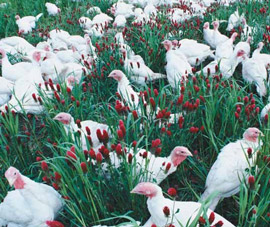
Farm
turkeys
live
all
over
the
world.
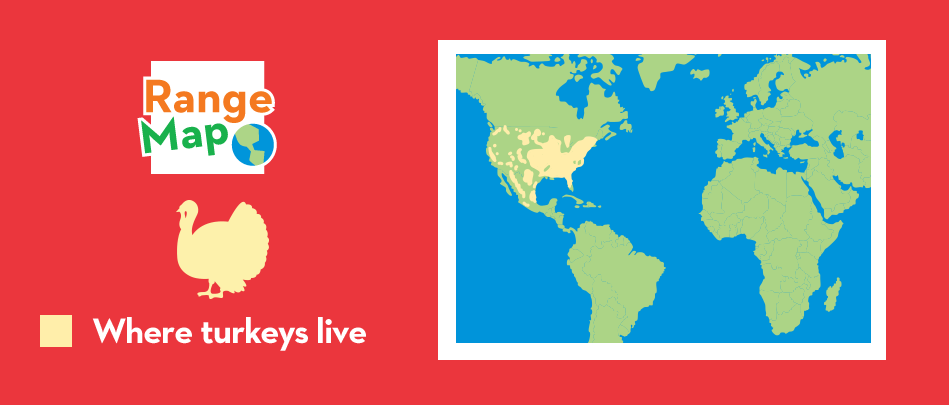
Wild
turkeys
live
in
North
America.
They
can
often
be
found
in
forests
and
fields.
At
night,
wild
turkeys
fly
into
the
trees
to
roost.

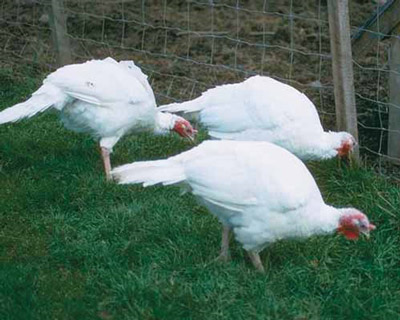
Farm
turkeys
usually
eat
wheat
or
corn.
Wild
turkeys
eat
acorns
and
nuts.
They
eat
berries
too.
Sometimes
wild
turkeys
eat
insects.
Some
wild
turkeys
live
together
in
flocks.
Females
are
called
hens.
They
lay
13
eggs
on
average.
Baby
turkeys
are
called
poults.
Wild
turkeys
usually
live
three
or
four
years.

Zoom In


-
 Turkey Classification: Bird
Diet: Omnivore
Endangered Status: Most are Least Concern, but some are Endangered and Critically Endangered. -
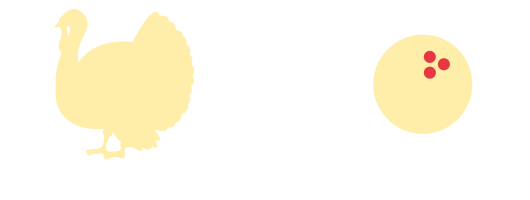
Average Weight A turkey is heavier than a bowling ball. -
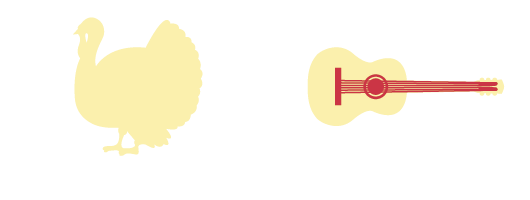
Average Wingspan A wild turkey’s wingspan is longer than an acoustic guitar.

Play & Learn